
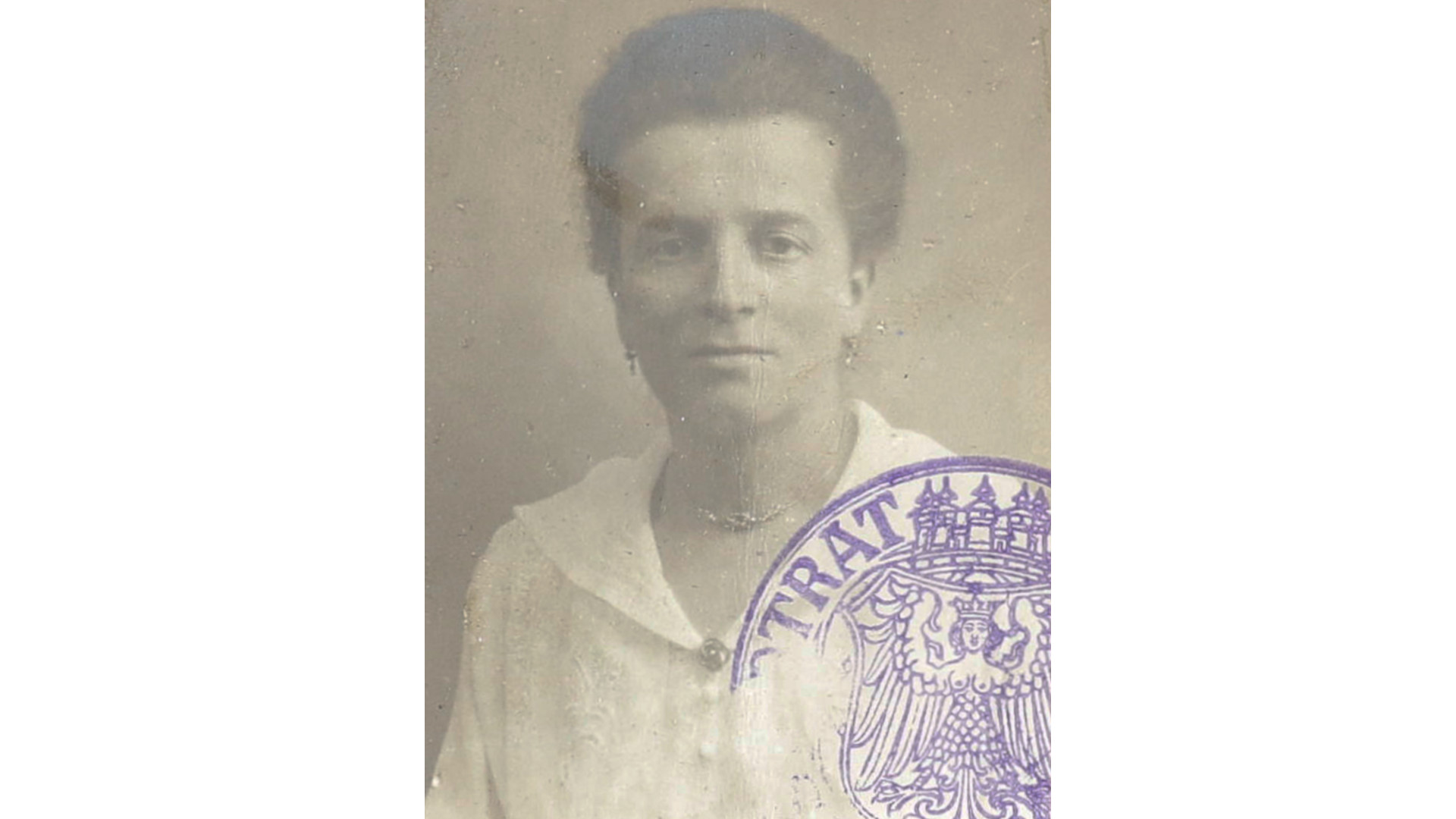
(Nuremberg City Archives, C21/VII Nr. 130)
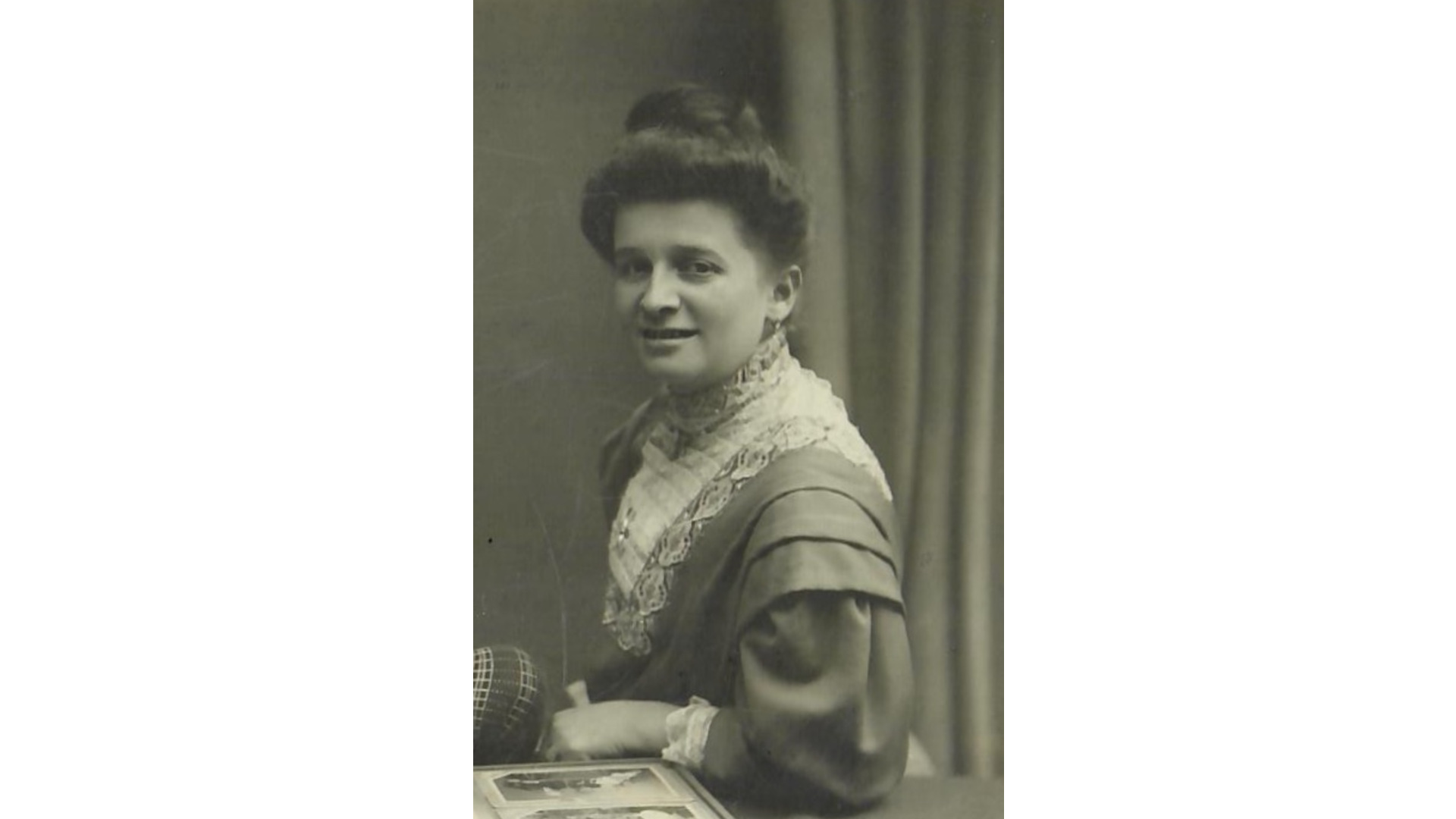
(Private)
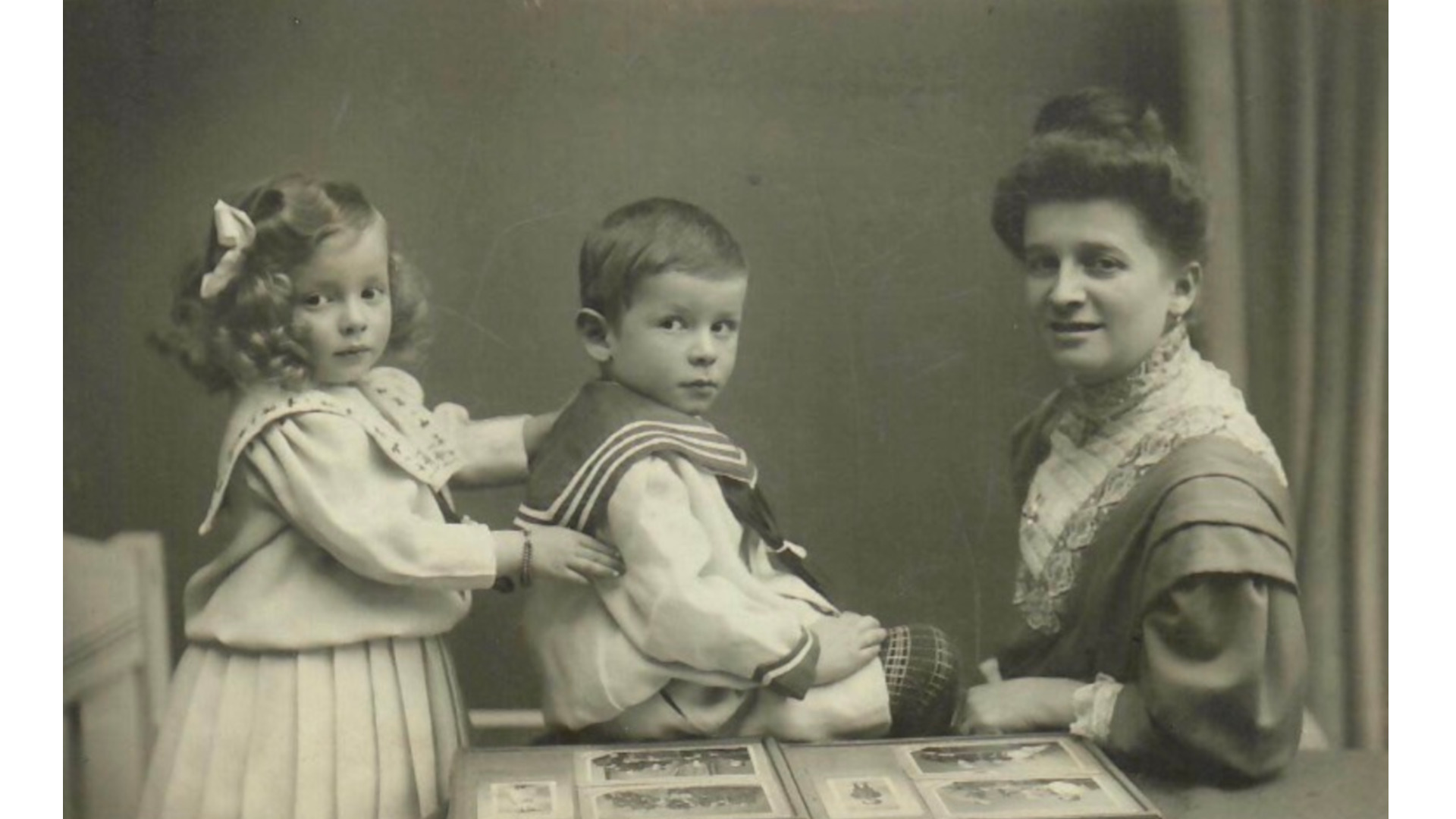
(Private)
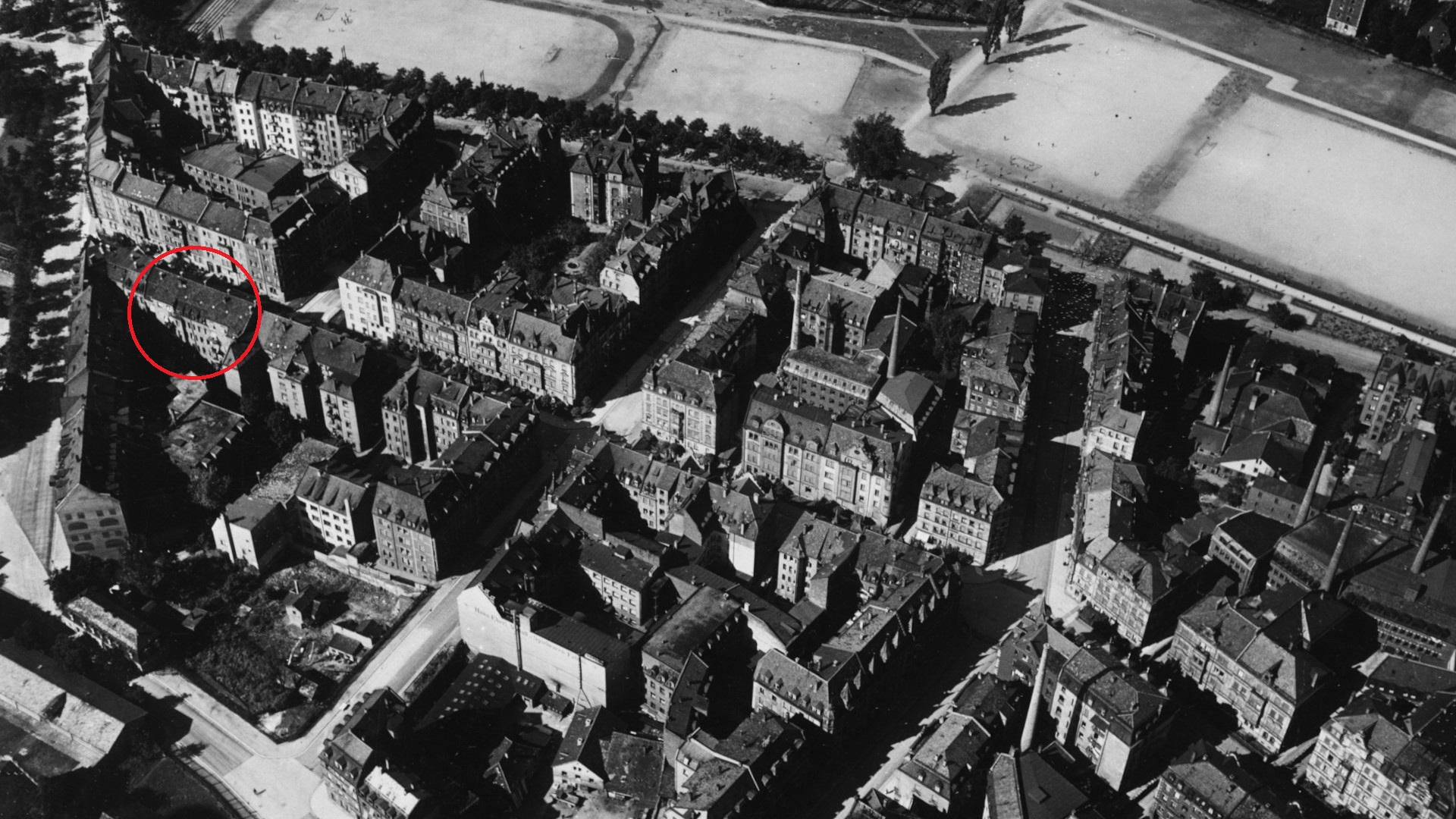
(Nuremberg City Archives, A 97 No. 264)
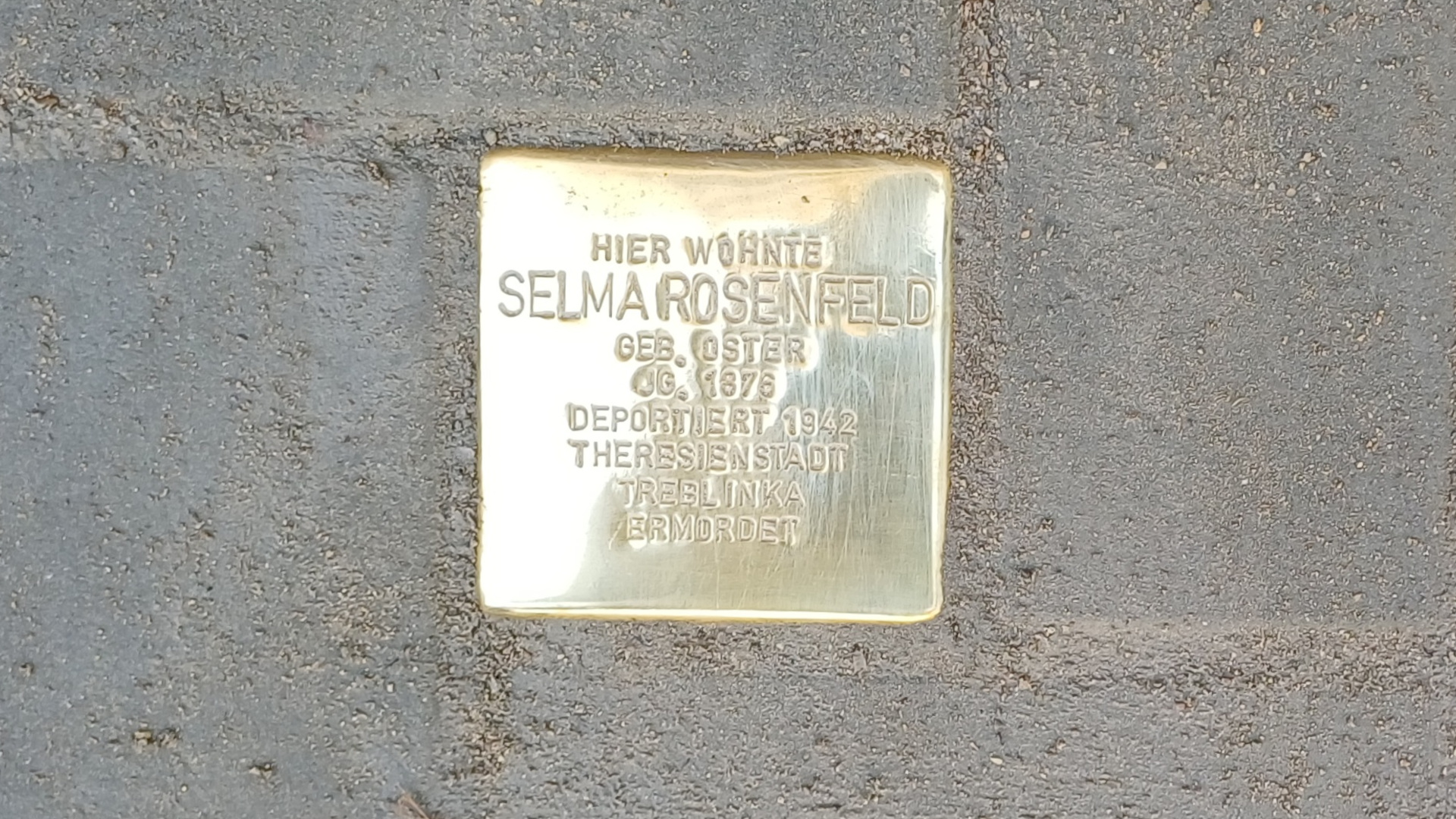
Selma Oster Rosenfeld
| Location of stone: Hochstrasse 37 | District: Himpfelshof |
| Sponsor: Evie Weinstein-Park | Laying of stone: 30 April 2026 |
Biography
On 30 April 2026, Evie Weinstein-Park had stumbling stones laid for her family. Selma Rosalie Rosenfeld was her great-great-aunt Selma was murdered in the Treblinka extermination camp.
Selma Rosalie Oster was born on 17 June 1876 in Brodenbach near Sankt Goar in the Rhine Province. She was the daughter of Leopold and Nanni Oster, née Steinhardt. The family moved to Würzburg, where Leopold and Nanni were administrators of the Jewish hospital.
On 18 August 1902, Selma married Hermann Rosenfeld in Würzburg. He was born on 6 October 1870 in Schopfloch near Dinkelsbühl, as the son of Zodock and Lina Rosenfeld, née Arnstein.
Hermann and Selma Rosenfeld had two children: Zacharias Leopold, born on 12 January 1904, and Lina, born on 7 April 1905. The family lived at Hochstrasse 37 from 10 July 1910.
Hermann died on 13 May 1930. Leo fled to New York in September 1938. Lina fled via London to the USA.
On 10 September 1942, Selma was deported to the Theresienstadt Ghetto. On 29 September 1942, she was transported to the Treblinka extermination camp. She was regarded as missing and declared dead in 1955 at the request of her children.