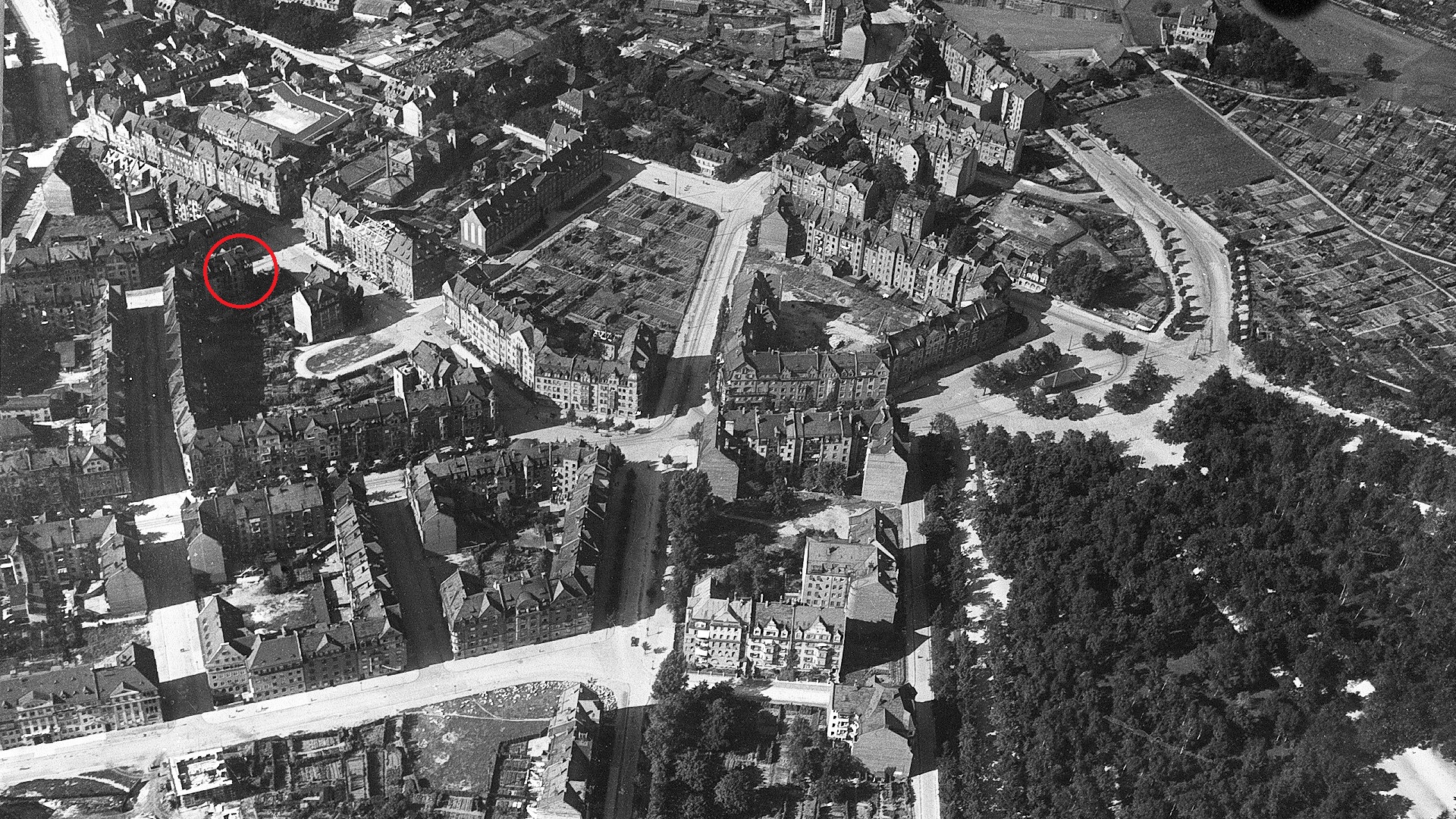
(Nuremberg City Archives, A 97 No. 416)
Sally and Rosa Joskowitz
| Location of stone: Siegfriedstrasse 56 | District: Bleiweiss |
| Sponsor: Amir Belder | Laying of stone: 9 October 2026 |
Biography
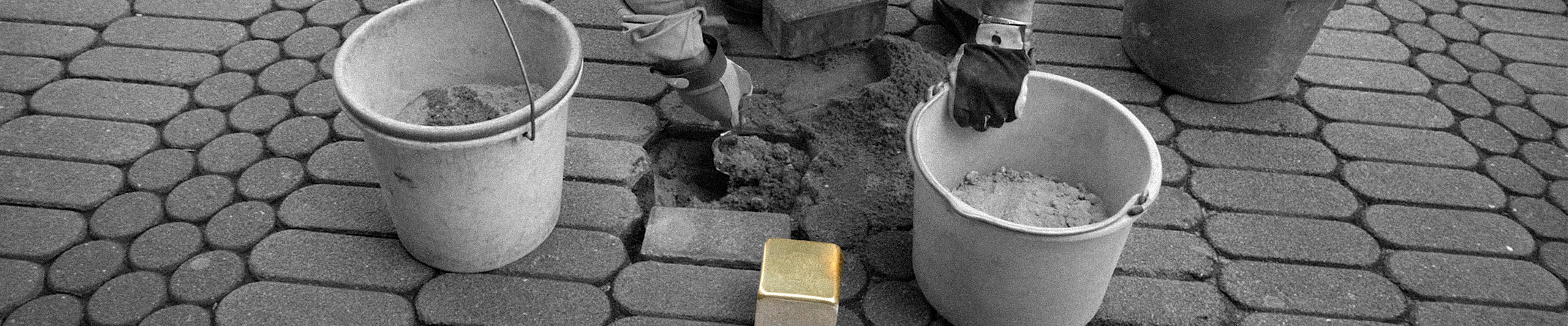
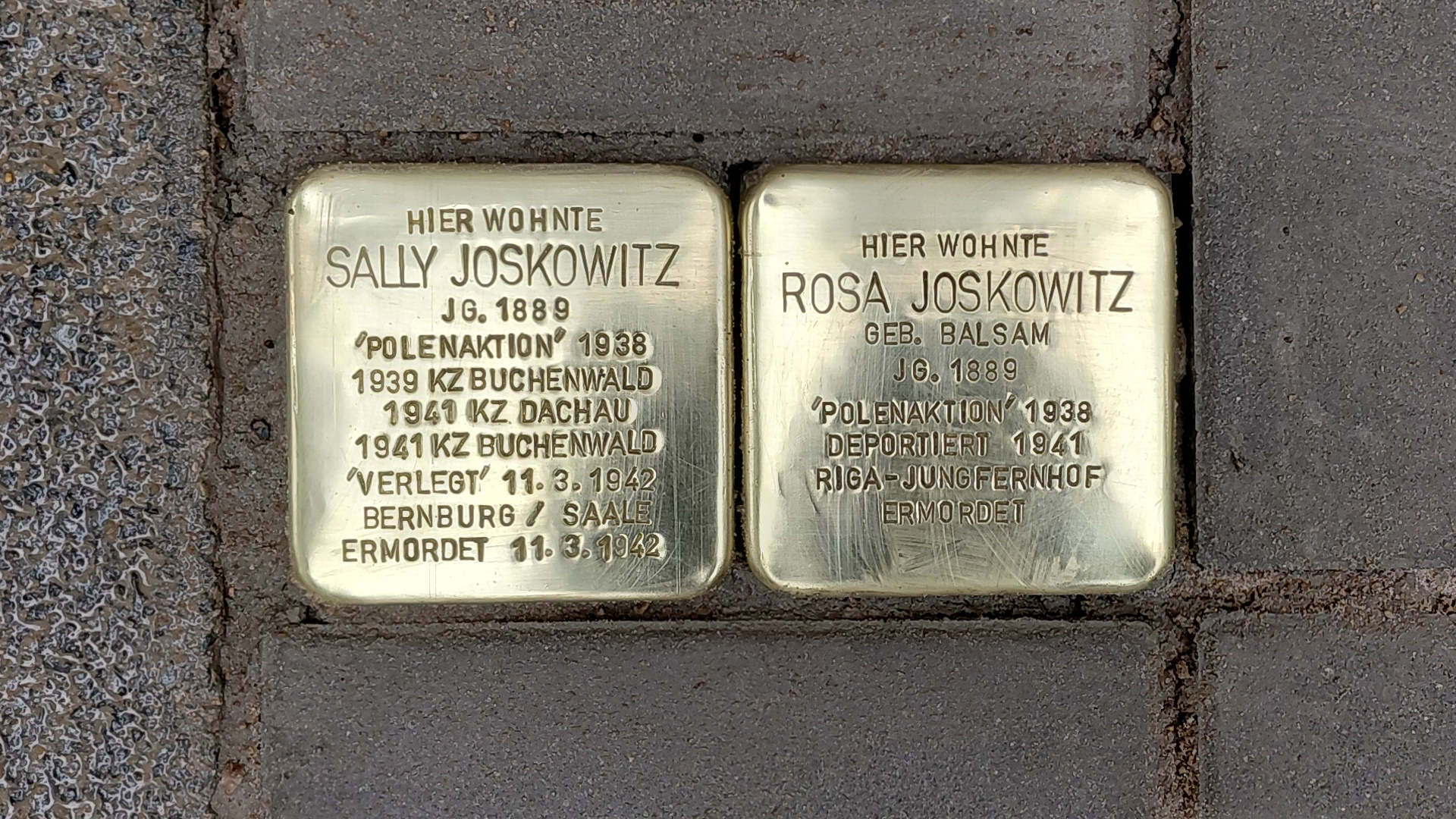
On 9 October 2026, two stumbling stones were laid for Sally and Rosa Joskowitz. Sponsor for the stones was their great-grandson Amir Belder. Because the family originally came from Poland, they were persecuted twice. During the so-called “Poland Action”, they were forcibly deported from Germany. When they returned, they were arrested and murdered.
Sally (Sholomo) Joskowitz was born on 14 October 1889 in Lodz, Poland. His parents were Maier and Brandel Joskowitz, née Wermann.
On 29 March 1914, he married Rosa Balsam in Eger, Czechoslovakia. She was born on 9 March 1889 in Gorlitz (Gorlice) in Galizia/Poland. After the wedding, the couple moved to Nuremberg to Siegfriedstrasse 56.
In Nuremberg, Sally and Rosa had three children: Martha, born on 28 December 1914, Max, born on 16 January 1917 and Selma, born on 25 July 1919.
The children fled Germany before Autumn 1938: Selma and Max to Palestine and Martha to the USA.
On 28 October 1938, the Reich Government ordered the so-called “Polish Action”. In the entire German Reich, about 17,000 Polish Jews were arrested and forcibly deported over the border into Poland, including Sally and Rosa.
Both returned to Germany via Berlin and lived from July 1939 again in Nuremberg.
Sally was arrested shortly after his return and was first imprisoned in the District Court Prison in Hof an der Saale. In October 1939, he was sent to the Buchenwald Concentration Camp. After a year his was transferred to the Dachau Concentration Camp. In July 1941, he was sent again to Buchenwald. On 11 March 1942, he was „transferred“ to the killing center in Bernburg an der Saale and murdered there on the same day.
Rosa lived with various families and then in a so-called “Jewish House” at Frauentormauer 92. From there she was deported on 29 November 1941 to Riga and murdered.