
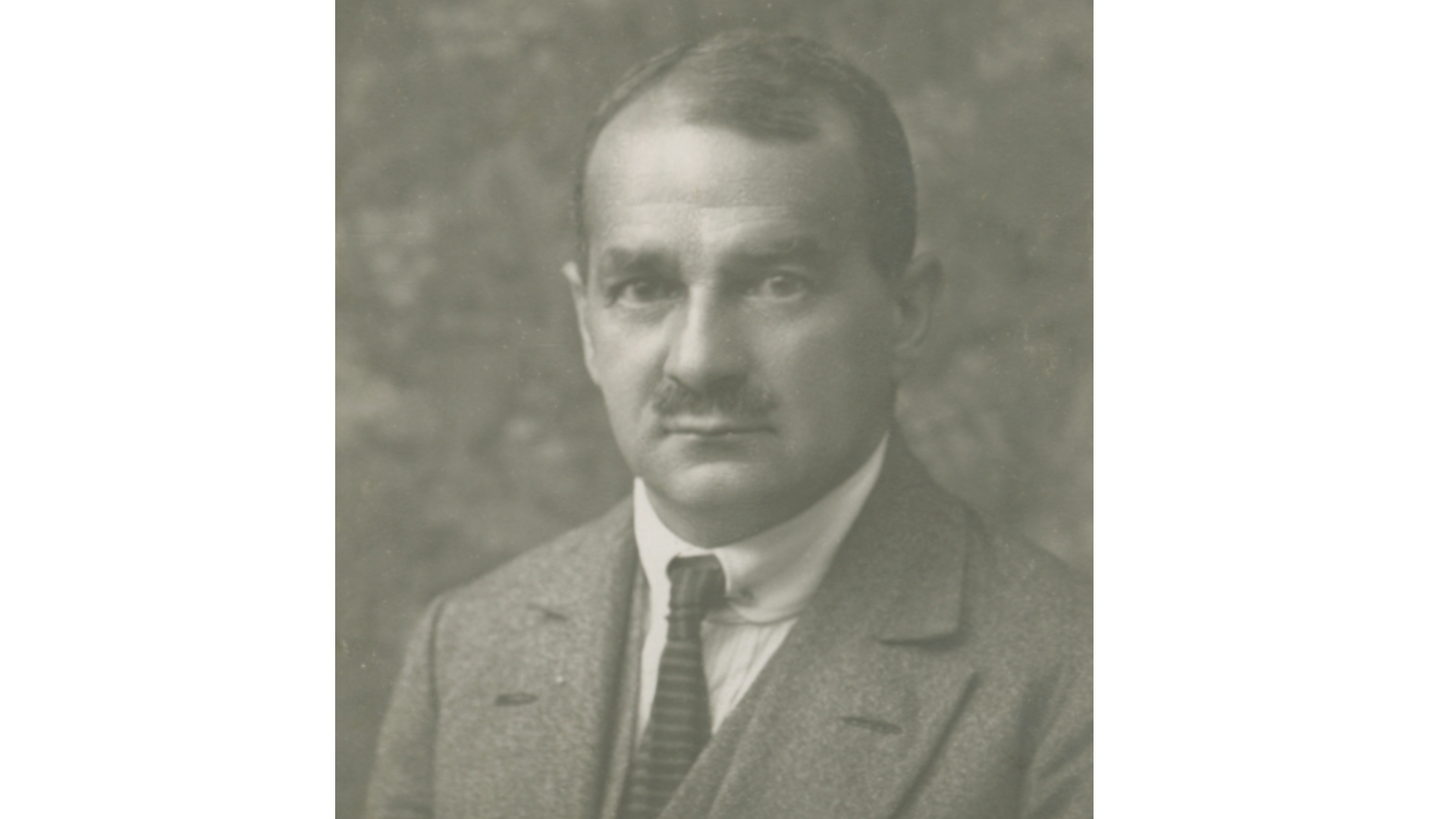
(Nuremberg City Archives, C21/VII No. 73)
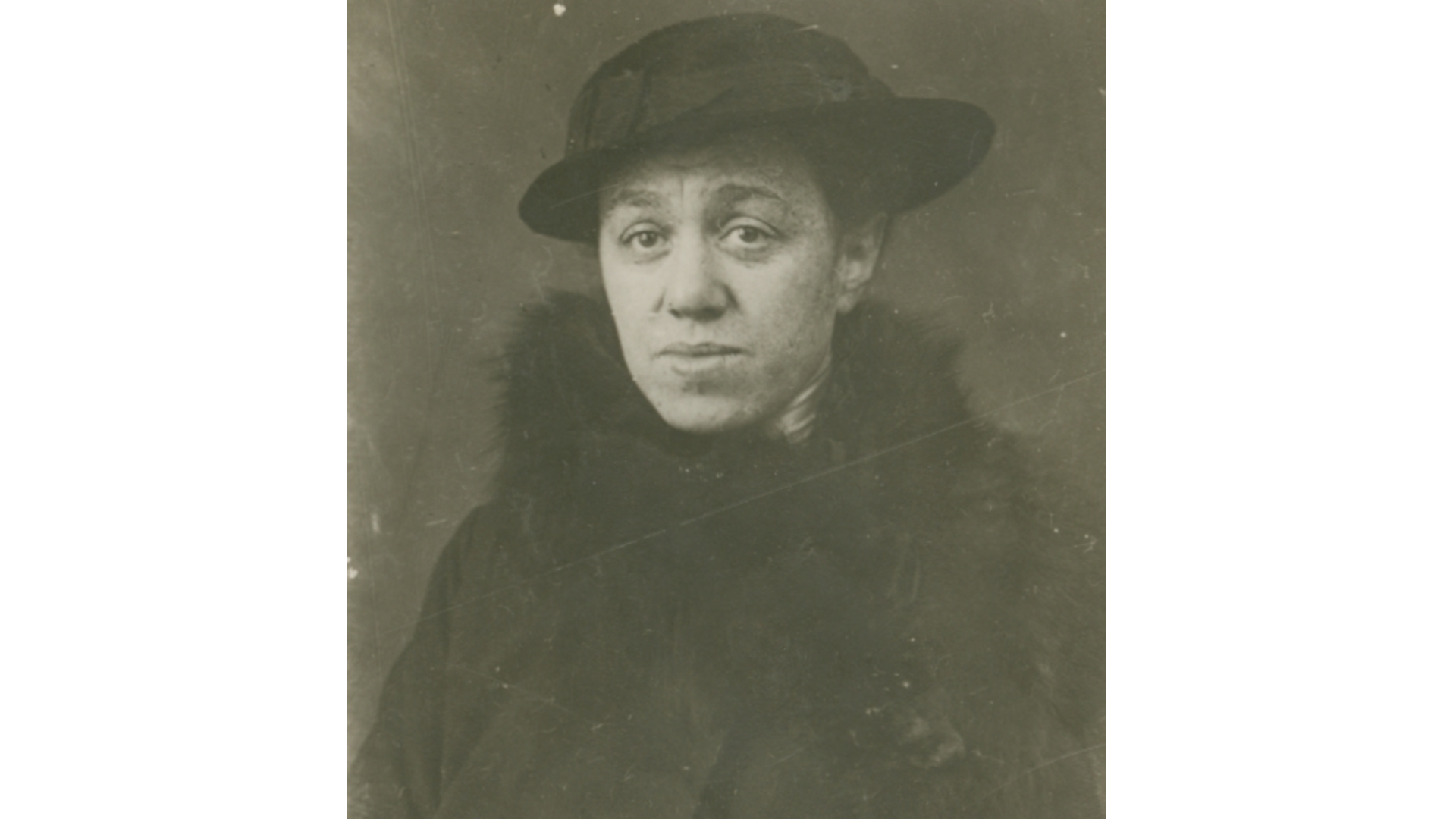
(Nuremberg City Archives, C21/VII No. 73)
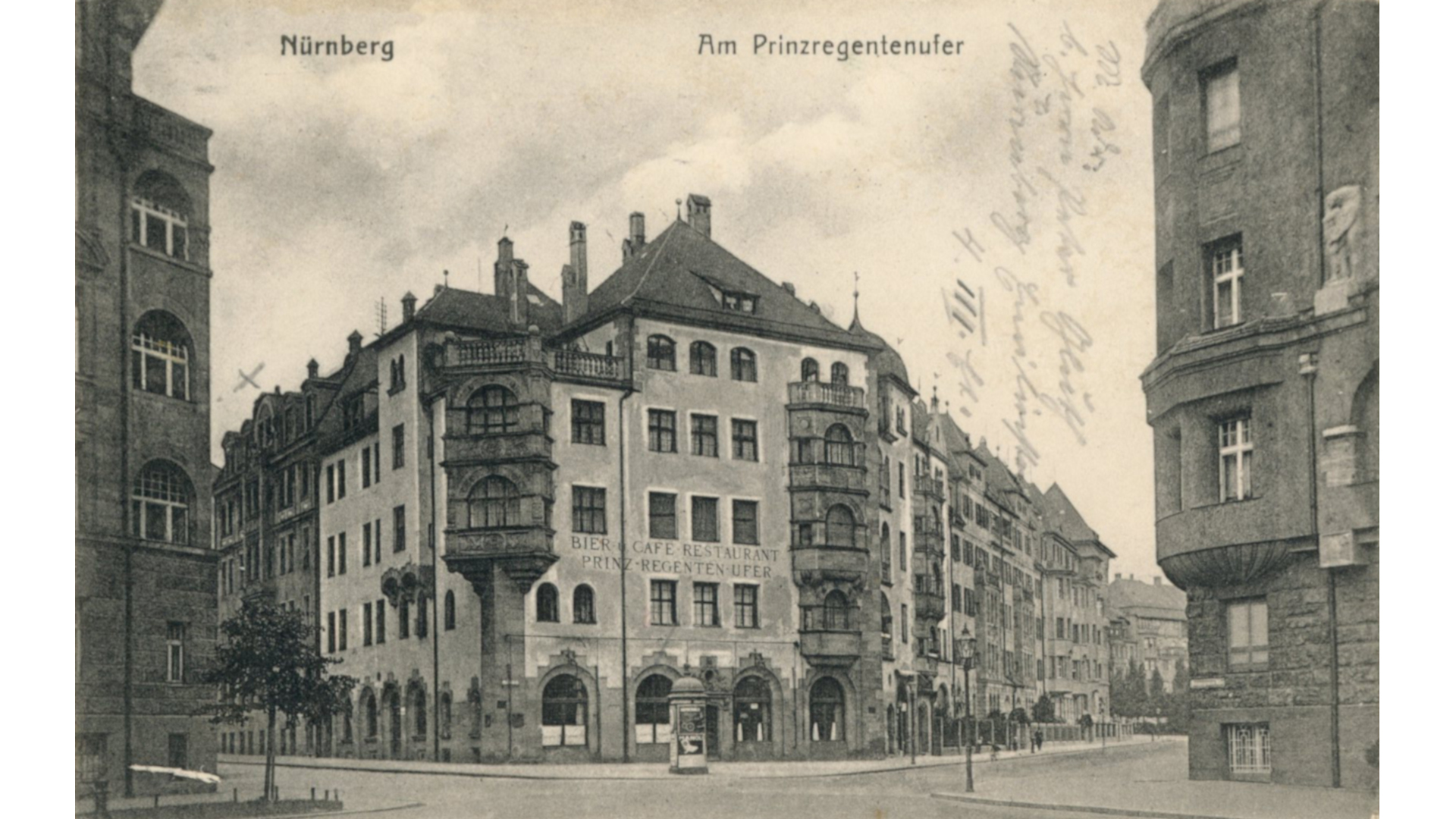
(Photo Collection Geschichte Für Alle e.V.)
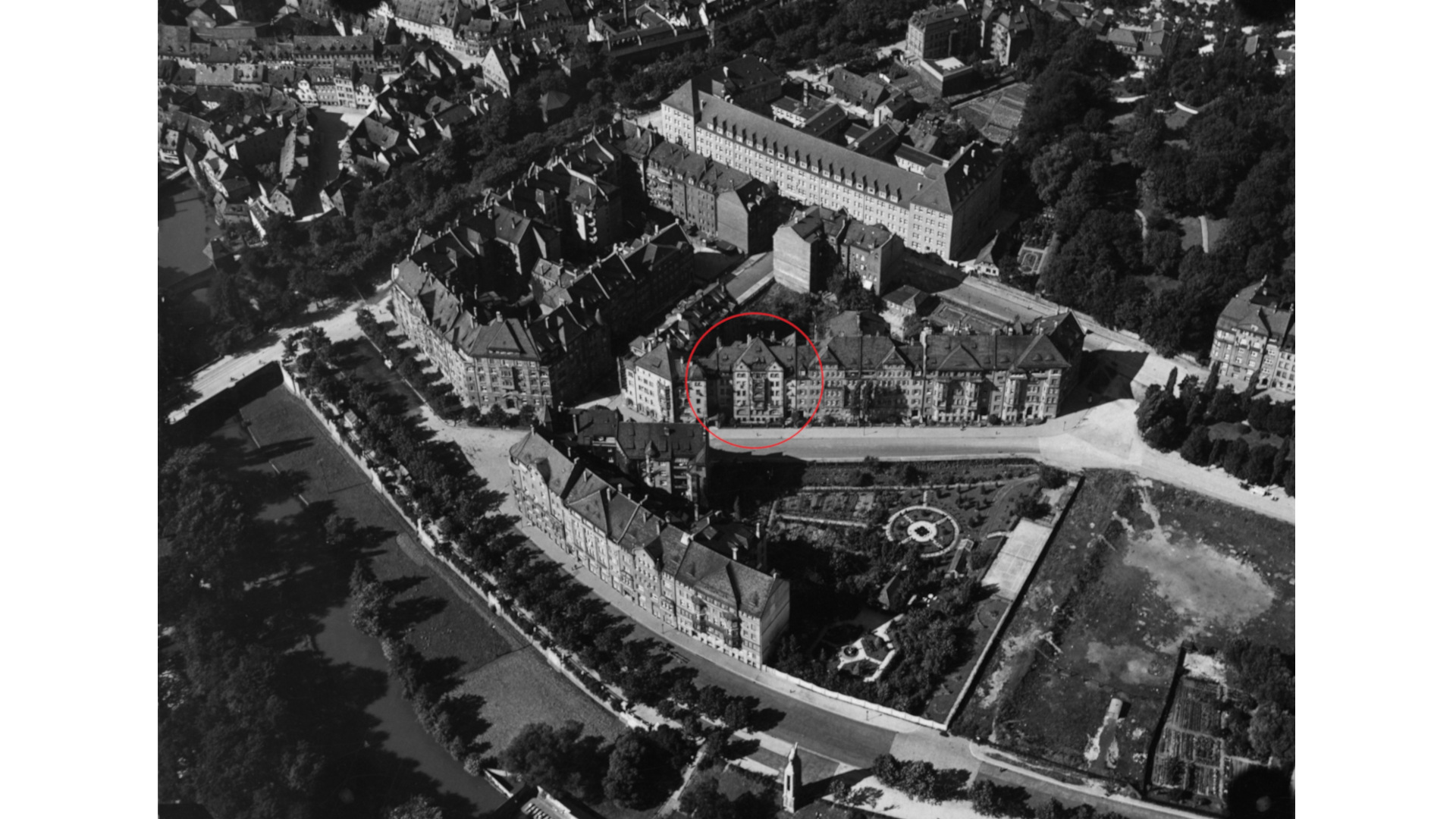
(Nuremberg City Archives, A 97 No. 302)
Max and Therese Jakob
| Location of stone: Theodorstrasse 3 | District: Wöhrd |
| Sponsor: Eva Rößner (née Jakob),Hubert Rottner Defet, Thommy Barth and others | Laying of stone: 22 May 2004 |
Biographies
On 22 May 2004, Gunter Demnig laid the first stumbling stones in Nuremberg. These included stones for Max and Therese Jakob, who were deported to Izbica in 1942.
Max Jakob was born on 11 June 1876 in Erlangen, as the youngest of six children of Adolf Jakob and his wife Amalie, née Feuchtwanger. He worked as a trader, moved to Nuremberg in February 1900 and owned a company selling gravestones.
In December 1903, Max married Therese Einstein, called Resi. She was born on 29 June 1884 in Nördlingen as the second youngest daughter of eight children. Her parents were Wolf Einstein und Amalie, née Neumark. The couple had two sons: Walter, born 1 October 1904, and Joseph Ernst, born 30 April 1906.
In October 1926, Walter married Johanna Margarete Bleistein. She was born on 27 July 1907 in Nuremberg, as the daughter of Sebastian Bleistein and his wife Anna Babette, née Seifert. Walter and Margarete Jakob had two children: Daughter Eva, born on 25 December 1926, and son Hans, born on 4 February 1930 in Nuremberg. As a Jew and a Communist, Walter was persecuted by the National Socialists. On Easter 1933, he fled to Czechoslovakia, where he joined the resistance movement on the German-Czech border. Margarete was imprisoned as a result. In order to be set free, she had to agree to dissolve her marriage to Walter Jakob. After a divorce in July 1934, Margarete was released. In 1939, Walter fled via Poland to England and died there in Leeds on 21 September 1942.
Max und Therese Jakob were deported to Izbica on 24 March 1942, where they disappeared. They were declared dead on 8 May 1945. Margarete Jakob, who survived with her two children in Nuremberg, first learned of the death of her husband and parents-in-law after the war was over.
Joseph lived in Coburg from 1926 until 1930, before returning to his home city. In April 1934 he moved to Stuttgart. In 1939 he emigrated to the USA, became an American citizen and changed his name to Joe E. Jacobs. In 1973 he moved back to Germany with his wife. He lived in Freiburg, where he died on 20 December 1997.
Margarete Jakob and her daughter Eva were very active as contemporary witnesses. After their death, many documents and photographs were donated to the Nuremberg City Archive as testimony to their family story (E 10/212). In the Documentation Center in Nuremberg, the shards of a crystal vase bear witness to the destruction of Max and Therese Jakob’s home in the Pogrom Night of 9 November 1938.